Your company's first culture carrier
M.O. is how you keep it alive as you grow.
Every high-performing culture has had one — the person who holds how the team actually works and helps everyone navigate it. Almost no scaling startup can afford to hire one. M.O. is that role, in your team's Slack: it learns how each person is wired, then carries that shared understanding to everyone — including every new hire.
A 30-minute conversation about your team. Not a pitch.The problem nobody warns you about
Early on, the team just gets each other. Through proximity, long hours, shared stakes — a shared sense of how things work that nobody had to write down, because everyone was in the room.
Then you scale. New people join faster than that unwritten understanding can reach them. Misreads multiply. Decisions that used to take a hallway conversation now take a meeting. The thing that made you fast is quietly leaking out, and you can't point to where it went.
The understanding that held the founding team together was never made explicit — it lived in the shared experience of being small. That works right up until it doesn't. At thirty, forty, fifty people, the same assumptions are no longer shared; they're unspoken and unverified. Onboarding hands new hires the org chart and the tools, but not the thing that actually matters: how this team makes sense of work together.
Most companies don't notice the gap until it shows up as friction, slow decisions, and the slow feeling that the place doesn't run the way it used to. By then you're managing the symptom. The cause was structural, and it was upstream.
How it works
Three steps. One system. The first two make the team legible; the third keeps it alive in the flow of work.
Everyone builds their own profile across three dimensions — how they think, what drives them, how they show up under pressure. Built from validated instruments and a short structured conversation. It's theirs first, in language they recognize as true. Shared with the team only with their consent.
The individual profiles synthesize into an honest map of how this specific team is wired — where it naturally aligns, where the friction lives, where the collective blind spots are waiting. Not a team personality type. A map of the actual people you have.
M.O. is grounded in every profile and the full Genome — the role every great culture has had, now always-on and affordable. When someone needs to make sense of a dynamic, navigate a hard conversation, or find their footing as a newcomer, M.O. is right there in Slack — reflecting and helping people read each other, never directing or deciding for them.
What it unlocks
M.O. doesn't measure your culture or survey it. It builds the shared understanding underneath it — and that one thing lowers the cost of everything a growing team does together.
The coherence that made you fast at ten survives forty. New people are integrated into how the team works in weeks, not quarters — and the culture doesn't fracture every time you double headcount.
Teams that understand each other stop re-litigating. They anticipate instead of explain. Coordination that used to need a meeting happens in a message.
When people can read each other, coordination becomes structural instead of effortful — fewer misfires, less translation, less hedging.
Misreads get named before they harden into conflict. The team has shared language for its own tensions, so they resolve instead of compound.
And because candor gets cheaper when people understand each other, the conditions good ideas need tend to show up on their own.
Why it's different
Engagement surveys tell you how people feel. Personality assessments tell you who they are. None of them operate at the interpretive layer — how each person makes sense of work, and how those wirings relate. That layer determines everything downstream.
| Tool | What it measures | What it can't do |
|---|---|---|
| Engagement surveys | How people feel | Explain why, or address the cause |
| Recognition tools | Visible appreciation | Build the understanding underneath |
| Personality assessments | Who individuals are | Compose individuals into team understanding |
| M.O. | How each person is wired, and how those wirings relate | — |
M.O. is built at the interpretive layer — the level that determines everything downstream.
Engagement surveys — Culture Amp, Lattice, Leapsome — measure satisfaction and report it upward as scores. They tell you how people feel. They can't tell you why, or address the cause where it actually lives.
Recognition tools — Bonusly, Motivosity — treat culture as a morale deficit and fill it with appreciation. Appreciation matters. It isn't the understanding a team runs on.
Personality assessments — DiSC, MBTI, CliftonStrengths — profile people in isolation. They describe who individuals are. They don't compose those descriptions into team understanding, don't connect to how the team actually coordinates, and don't stay alive in the flow of work.
M.O. works at a different level entirely. Not measuring what's downstream — building the understanding that determines what downstream produces.
For teams like yours
M.O. is for the inflection point — when growth starts putting pressure on culture, before it shows up in your attrition data.
The founding team at its first scaling inflection
The shared understanding that held the founding team together isn't self-sustaining anymore. M.O. gives you the map and keeps it alive for every person who joins after.
You built something real at twelve people. The culture was palpable — you could feel it, even if you couldn't fully articulate it. Now you're at thirty, or forty, and something has shifted. New people are joining faster than the culture can absorb them. The assumptions that used to be shared are now unspoken and unverified.
M.O. gives you what you've never had: a precise map of how the team is actually wired, and an always-on culture carrier that extends that understanding to every person who comes after.
The team standing up its first formal people programs
Somewhere between fifty and a hundred and fifty people, the conversation turns to reviews, levels, and talent planning. Those are only as reliable as the understanding underneath them. M.O. builds that first.
The goal isn't to delay performance programs — it's to make sure they're built on something real. When the team has shared language for how its people work, performance conversations become clearer, feedback lands better, and calibration is grounded in something more than gut read.
M.O. builds the infrastructure that makes everything you put on top of it actually measure what it claims to.
Behind M.O.
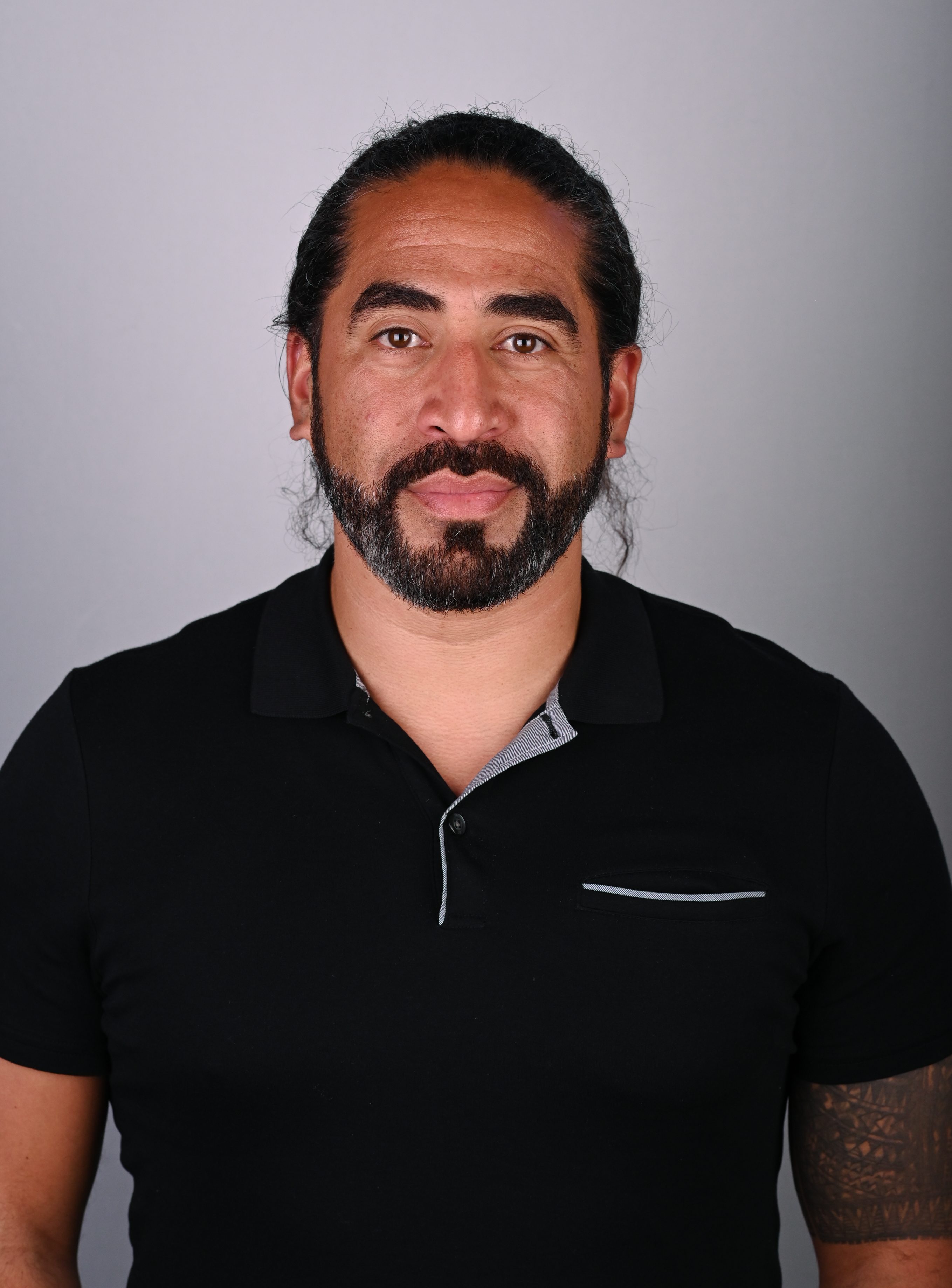
M.O. didn't start as software. It started as Mo Bell — first People leader at a bootstrapped startup through a pandemic, senior People executive at a high-growth HR-tech company, engagement strategist at Facebook through a period of organizational crisis, practitioner across gaming, utilities, and finance. The same pattern everywhere: teams that understood each other outperformed teams that didn't — and almost no one was building that understanding on purpose.
M.O. is the part of that work that can run continuously, for every person on the team, without waiting for a practitioner to be in the room.
Read Mo's story →"How well people understand each other determines what they can build together. I've watched that be true for fifteen years. M.O. is how you make it operational."
— Mo Bell, Founder
Built on a different architecture
M.O. is built on a principle most HR tools don't share: understanding flows outward, not upward.
Your profile belongs to you first. You see it before anyone else does. It's shared with your team only with your consent — not because we told your manager to offer that option, but because the system is built so it can't work any other way.
Managers get no special dashboard. There are no hidden scores. M.O. doesn't report what people work through in private back to leadership. The Team Genome is a shared map — everyone on the team sees the same picture.
This isn't a privacy policy. It's how the product is built.
M.O. offers understanding, not diagnoses. It suggests. It never declares who you are.
M.O. responds only when invoked. It doesn't monitor, score, or report on passive behavior.
No one is scored against anyone else. No comparative ratings. No leaderboards.
Managers see what the team sees. Understanding distributes — it doesn't centralize.
Build it deliberately — or inherit what forms by accident.
Book a call →A real 30-minute conversation about your team and whether M.O. is the right fit right now. No pitch.